Project Name:
Magen HBO
Client / Organization:
Magen Financial
Timeline:
2024 – 2026
Project Status:
Production Live | Actively Maintained
Project Overview
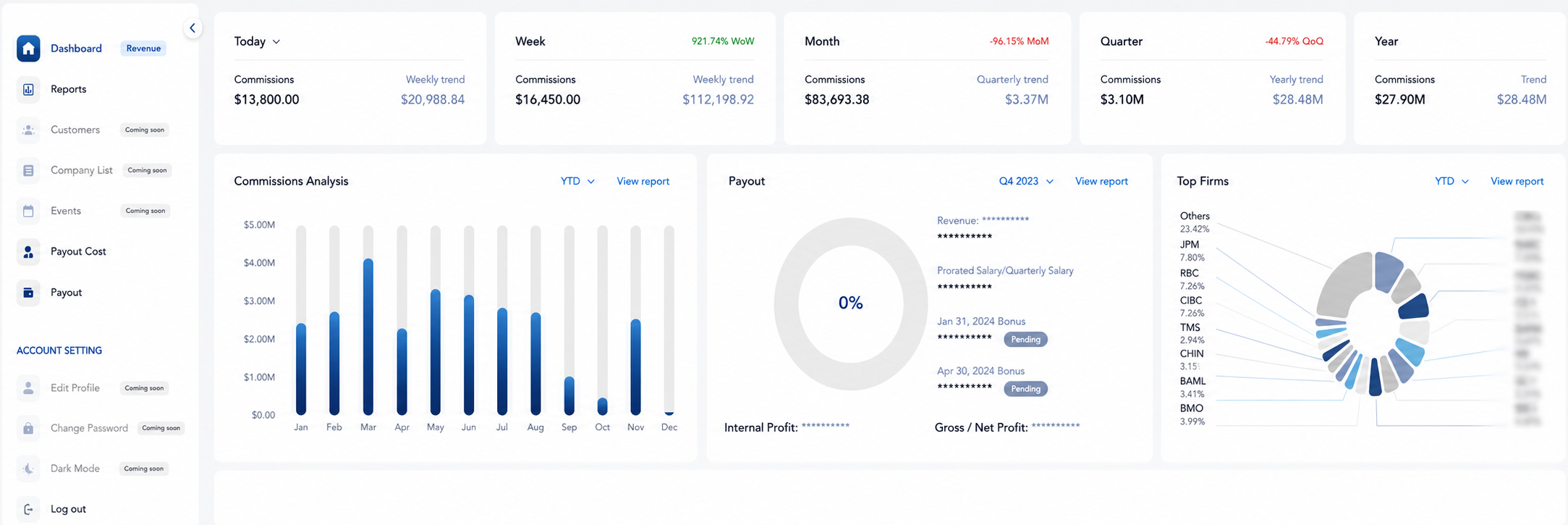
Magen is an enterprise trading platform designed to streamline equity and derivatives trading operations through a centralized digital ecosystem. The platform manages the complete trade lifecycle, including order capture, pricing, trade allocation, commission calculation, invoicing, accounts receivable, reconciliation, compliance, reporting, document management, and real-time communication. Supporting a broad range of derivatives strategies and financial products, it enables brokers and operations teams to efficiently manage high-volume trading activities while improving operational accuracy, regulatory compliance, and financial transparency.
Built around a cloud-native architecture, the platform combines React, GraphQL, and .NET services with event-driven processing, AI-assisted capabilities, and enterprise integrations to deliver a scalable and intelligent trading solution. Complex financial workflows, configurable business rules, server-driven order processing, and automated background services work together to support mission-critical operations while modernizing legacy systems into a maintainable, high-performance enterprise platform.
Technology Stack
Frontend:
The frontend is built as a modern React 18 SPA using TypeScript and Vite with React Router, delivering a high-performance trading experience for brokers and operations teams. It leverages Apollo Client GraphQL, AG Grid Enterprise for advanced financial data management, and MUI, Tailwind CSS, and Styled Components to create responsive dashboards, order management screens, reporting modules, and document workflows. React Context, Zustand, and React Hook Form provide scalable state management, while real-time updates, configurable dashboards, PDF viewing, and role-based interfaces support complex financial operations.
Backend:
The backend is developed using .NET 8 and follows a layered architecture centred around a GraphQL API, with a legacy ASP.NET Core REST API supporting persistence, document generation, and reference-data management during the platform's modernization. Business logic is organized into dedicated orchestration layers, domain services, rule engines, and reusable libraries that power complex derivatives trading, order processing, commission calculations, trade allocation, invoicing, reconciliation, reporting, and financial workflows. Hangfire background processing, message-driven processing, and asynchronous services automate financial calculations, scheduled operations, notifications, synchronization, and enterprise background processing, enabling the platform to efficiently handle high-volume brokerage operations and complex multi-stage business workflows.
Authentication & Security:
The platform implements secure authentication using Microsoft Entra ID, MSAL, and JWT Bearer Authentication to provide centralized identity management across users and services. Role-Based Authorization, user-level data scoping, API key authentication, webhook verification, and Azure Key Vault for secret management ensure secure access to sensitive financial data while supporting Enterprise Compliance.
AI Technologies:
The platform integrates Azure OpenAI, OpenAI Assistants API, and Azure AI Search to enhance trading workflows through intelligent automation and AI-assisted decision support. AI capabilities provide structured order validation, conversational assistance for brokers, automated receipt data extraction, and Semantic Search powered by vector embeddings, helping improve operational efficiency, data accuracy, and AI-Assisted Decision Support across financial processes.
Database:
The application uses Microsoft SQL Server as its primary transactional database, supported by Entity Framework Core, Dapper, Redis Caching, dedicated reporting and logging databases, and Read-Only Replicas for reporting workloads. This architecture delivers reliable, scalable, and High-Performance Data Management while supporting complex financial transactions, analytics, auditing, and enterprise reporting.
Third-Party Integrations:
The platform integrates with numerous enterprise and financial services, including external option pricing engines, ERP platforms, market data providers, transactional email services, Stream Chat, Firebase Cloud Messaging, Google Maps, Nutrient DWS (PSPDFKit), TinyMCE, and AG Grid Enterprise. Azure Service Bus, Azure Blob Storage, and Azure Functions further support document management, Event-Driven Processing, workflow automation, and cloud-native application integration.
Monitoring & Logging:
Application monitoring and observability are implemented using Datadog, Serilog, and Datadog Browser RUM, providing centralized logging, distributed tracing, real-time diagnostics, and performance monitoring across frontend and backend services. Audit Trails, health monitoring, and Operational Dashboards further ensure financial data integrity, application reliability, and efficient production support.
Testing:
The platform follows a comprehensive testing strategy using NUnit, React Testing Library, Playwright, and Coverlet for backend unit, integration, and end-to-end testing. Automated code quality checks with ESLint and Prettier help maintain reliability across multiple services and continuous releases.
Deployment & DevOps:
Deployment and release management are automated using Azure DevOps Pipelines, enabling continuous integration and delivery across development, testing, and staging environments. Containerized services are deployed to Azure Kubernetes Service, with supporting workloads hosted on Azure App Service, Azure Functions, and Azure Container Registry. Azure Key Vault and Azure Service Bus provide secure, scalable, and highly available cloud-native deployments.
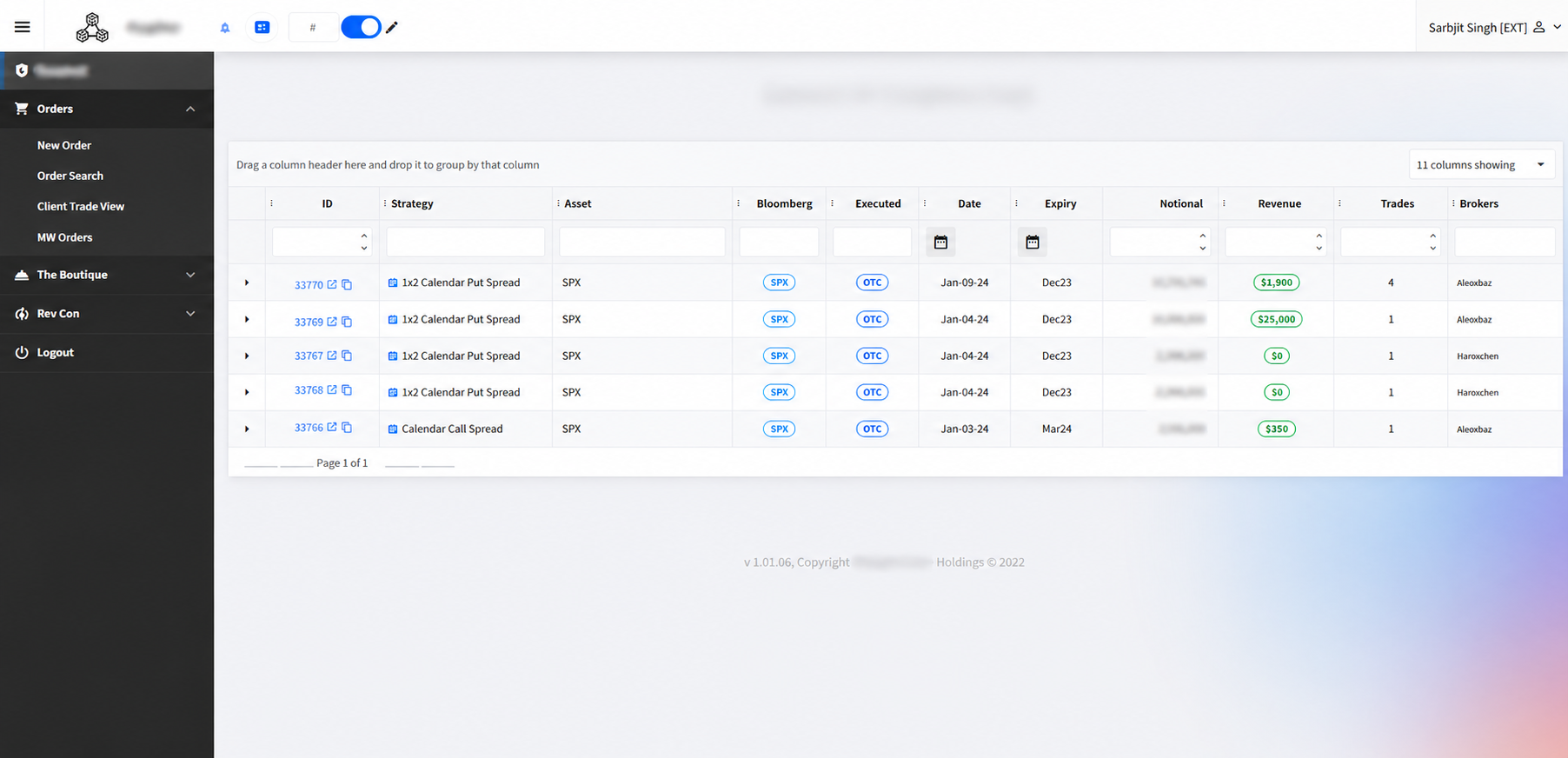
HBO
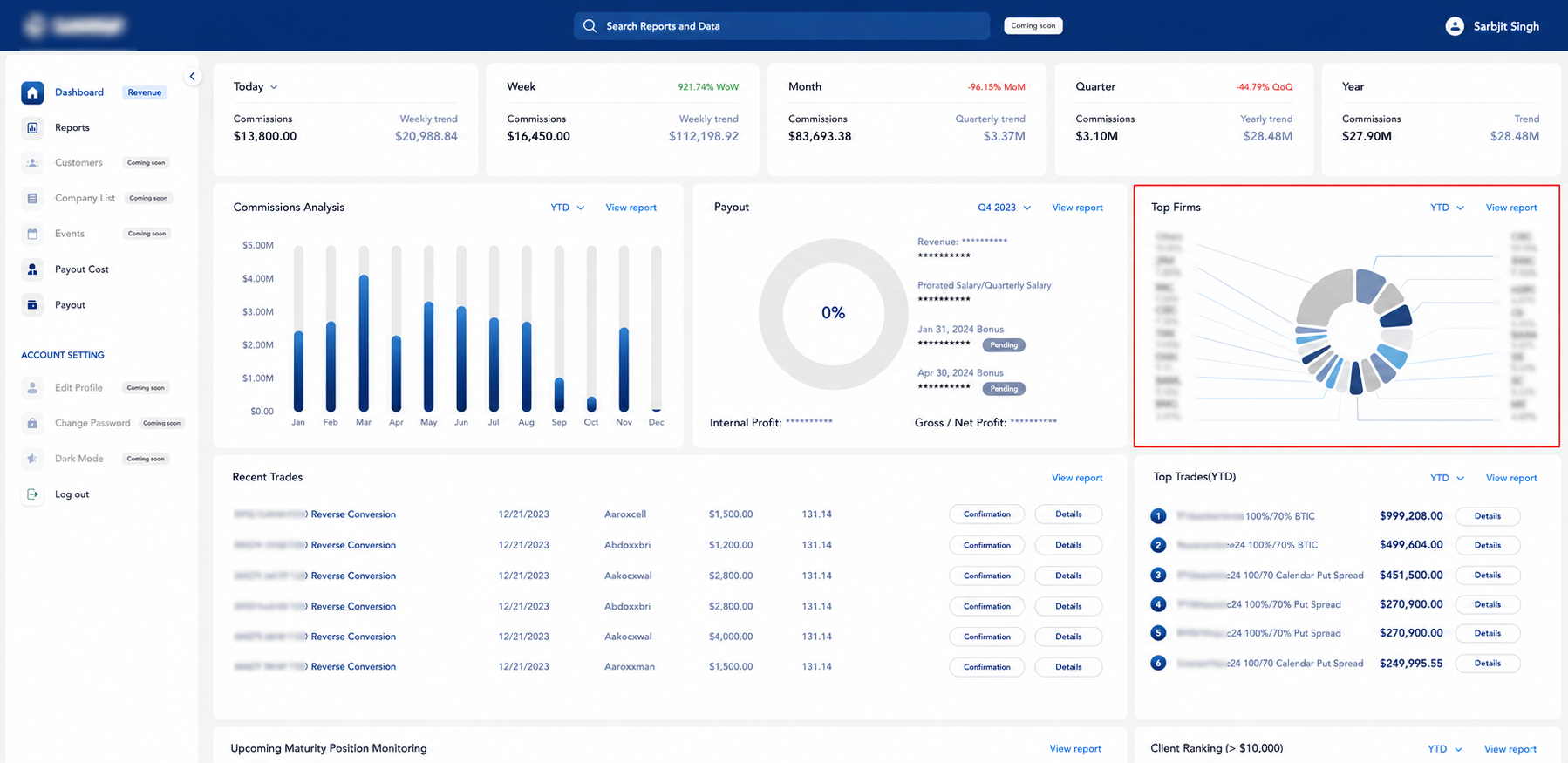
Dashboard
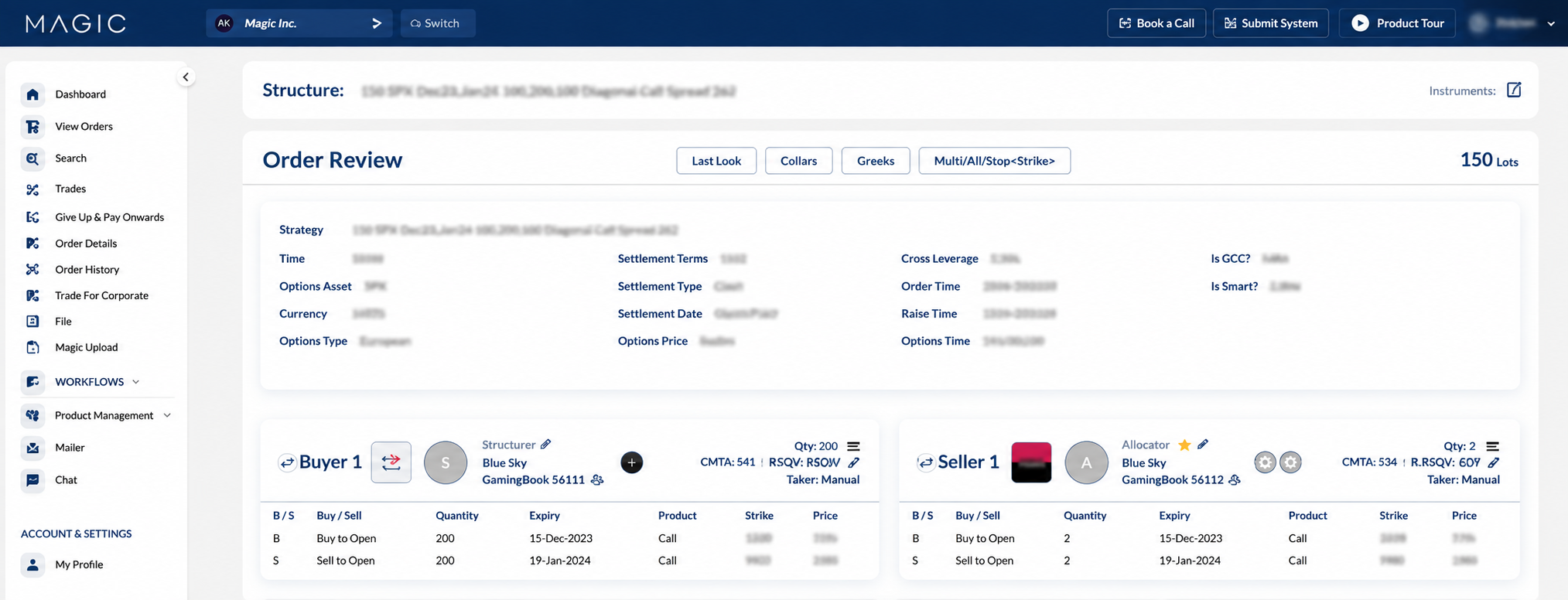
Order Overview